Discover the Divine Principle
By Eileen Williams

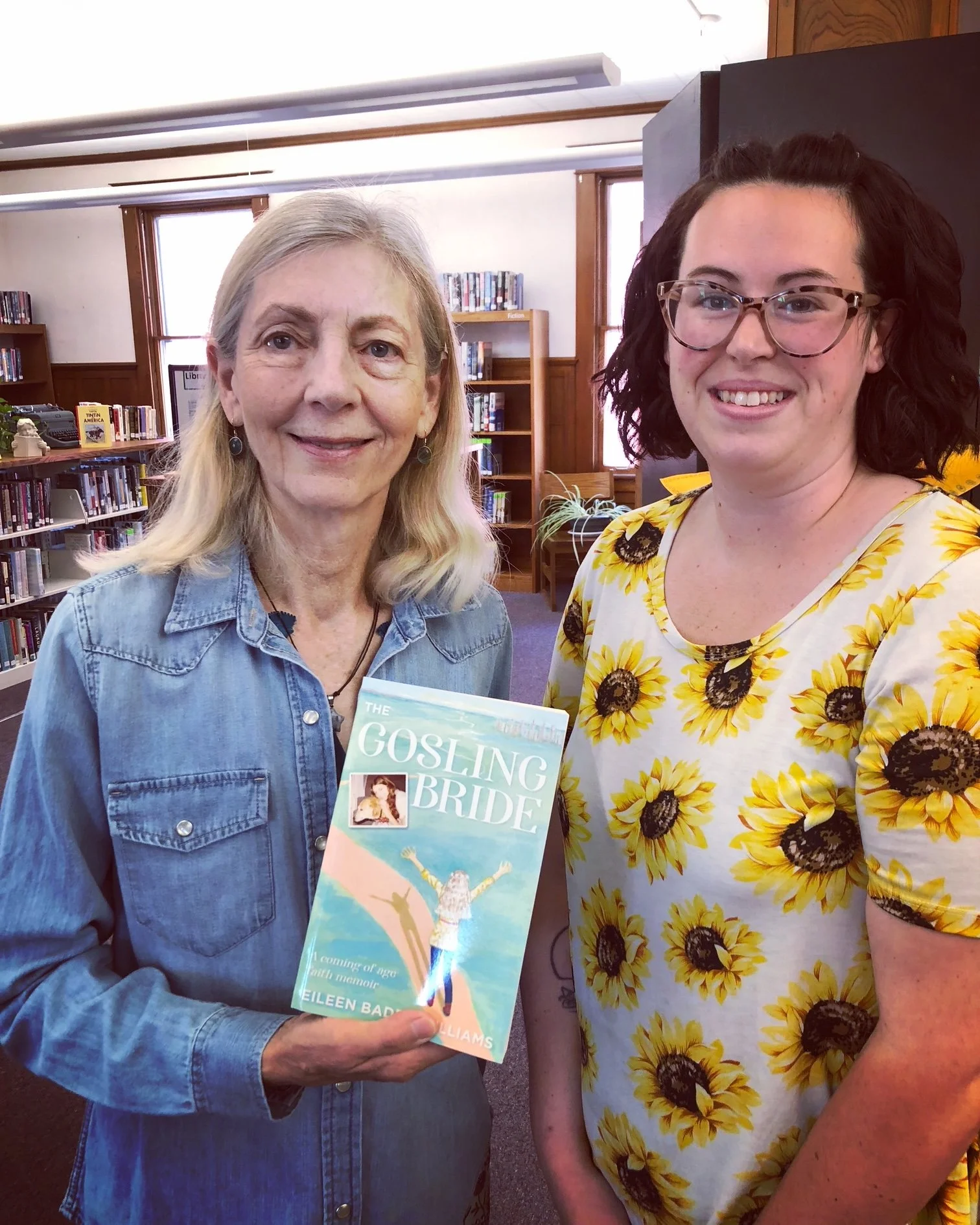
photo credited to Eileen Williams
1. What inspired you to write a Discover Divine Principle —and who is the intended audience?
I saw a need with my own grandchildren and wanted to address it. Isn’t that the way a lot of things happen? While reading a Children’s Bible with them, misconceptions would arise—a limited understanding of the stories portrayed—but I had no real way to address them. I’m sure we’ve all felt that at times—the gap between Divine Principle thought and fundamental Christian theology.
My oldest grandson loves to read aloud and, after finishing the Bible, we began reading A Little History of the World by Ernst Gombrich.
I had sometimes read excerpts in my high school history classes. Gombrich, an art historian, wrote the book for young readers—and later his granddaughter helped him to translate it into English. The writing style is easygoing and conversational while—at the same time—it distills intense subject matter from wars to empires.
And so, I thought, that’s what we need and maybe Nathanael can help me. I had no idea what I was getting in for! Adapting the Divine Principle for young readers was like trying to fit an elephant into a shoe box. It was important to me not to just “water down” the teaching. So, the age range kind of expanded to include ages 12 to 90.
2. How did your grandson help you?
He was age 12 when he read aloud the Introduction and God’s Dream to me. He would stumble slightly on a word like finite and but some vocabulary challenge is good and can easily be corrected. His response was, “That was really interesting, Grammy.” And thus a partnership was born. I asked his parents before we tackled the Fall of Man because—as you know—it can be, not graphic, but, nevertheless, a little explicit especially as compared to the Gensis story.
3. What does he say about the experience?
He has said to me, “I understand, so I know other young people will.” Honestly, I didn’t pay him to say that!
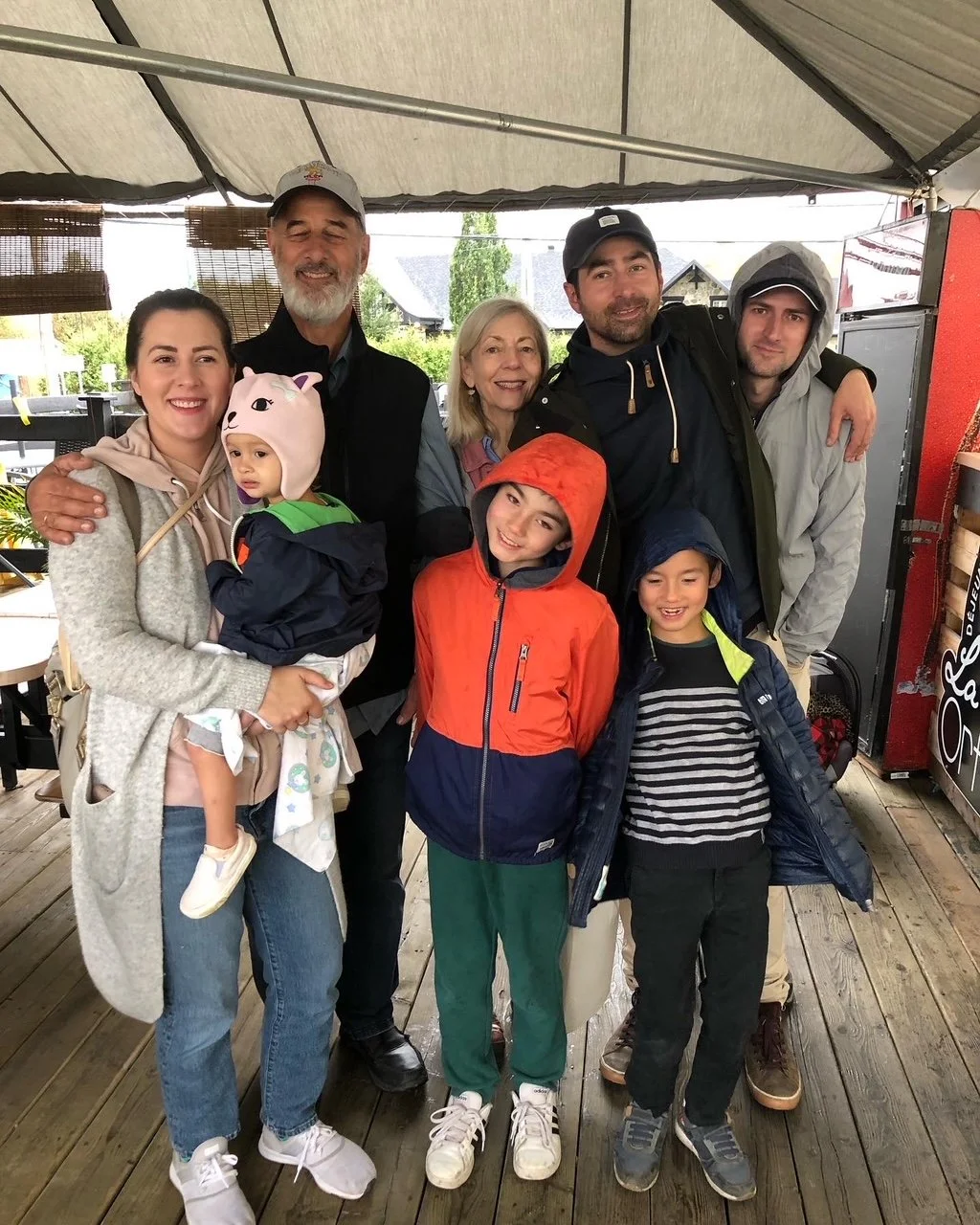
I think he’s a bit unusual in that he’s a voracious reader who loves to read aloud. When he was younger, he would sit in a room by himself and read aloud. Reading aloud does take extra effort, but it helped me so much with sentence fluidity, adjusting the writing level and so forth. At times he would correct me, “You need a comma there,” or he’d question an idiom (I’m famous for mixing metaphors). We jumped ahead a little and read all three Jesus-related chapters over Easter and I hope we read the Biblical figures this summer. I don’t see him every week. He lives in Montreal and I live in Vermont but, more than that, he and his siblings are getting busier with school, social life, and sports. It’s a three-ring circus for their parents.
4. What do you hope others will gain from the reading—or in some cases—the re-reading of the Divine Principle?
I hope they find the Divine Principle still relevant today. We have vast and wonderful teachings but I’m hoping this can be something simple enough to give to a friend, yet complex enough for a long-time member to read and say, “I still believe that…maybe a little differently…” The core truths are still present and can inspire one for a lifetime. That’s my thought.
If I’ve conveyed the heart of God to some degree, I’ve succeeded, but that remains to be seen.
5. What did you personally gain from the experience?
I gained a real appreciation of Old Testament history! Not only are the stories fascinating and epic, in and of themselves, but their wisdom carries forward to us today. I identified with Moses, not being able to enter the Promised Land, and I felt Jesus’s pitiful circumstances on a visceral level. Maybe running on caffeine and less sleep opened me to the spiritual experience of the whole project—I wasn’t just writing it; I was immersed in it.
6. Writing is a solitary process—until it isn’t. What supports did you lean into? What sources did you use? And what skills and experience prepared you the most to undertake this writing project?
Being a high school teacher helped and hurt. Turning off that internal critic is hard! I had to ignore the voice in my head that said I couldn’t do it or shouldn’t do it, and just plow ahead for my grandson. One skill that really helped was writing for the New World Encyclopedia Project. As a writer, you had to take a lot of material and boil it down to its essence within a deadline.
My other sources are listed in the back of the book under “Further Reading.” One thing I didn’t list was my 1972 study guide that smells musty. I had all the various readings, including that study guide, laid out on the living room floor. I also used large graph paper to draw the parallels which were dizzying and almost too repetitive.
To me, it’s like taking paint and drawing a picture. That’s the creative part, but seasoned teachers like Gerry Servito and Joy Pople kept me on track with Unification Thought links and biblical references. It was important to me to stay close to the bones and not have this be my interpretation.
7. Do you have any advice for writers?
Cut mercilessly, I had at least 5,000 words that I cut and stored in a Word file. It’s easy to expand our writing but the craft comes in whittling it doen – at least for me, since I’m an overwriter.
Also, consider using Grammarly, but carefully. You have to check every grammar tweak, every grammar suggestion it makes. It’s like auto-correct on steroids.
And write lots of revisions. High school students used to hand me their papers and declare, “I’m done.” Reluctantly, I had to hand them back saying, “No you’re not!”
I said those exact three words to my husband at least six times over the course of writing Discover the Divine Principle.
Eileen Williams taught at Bridgeport International Academy. She is now retired and living in Vermont.